
What is non-standard customized automation equipment?
The definition of non-standard automation equipment refers to customized, unique, and non-market-circulating automation system integration equipment. It is assembled from unit equipment manufactured according to unified industry standards and specifications issued by the state, and is developed, designed, and manufactured based on the specific needs of customers. Different types of customers have different process requirements. The production of non-standard automation equipment is not as simple as that of standard equipment, which can be completed according to specific regulations and procedures. Instead, non-standard equipment requires independent design based on specific usage locations, industry characteristics, and purposes. There is no specific reference model for the design of non-standard equipment. Therefore, manufacturers of non-standard automation equipment often require richer experience, more advanced technology, and stricter production requirements.
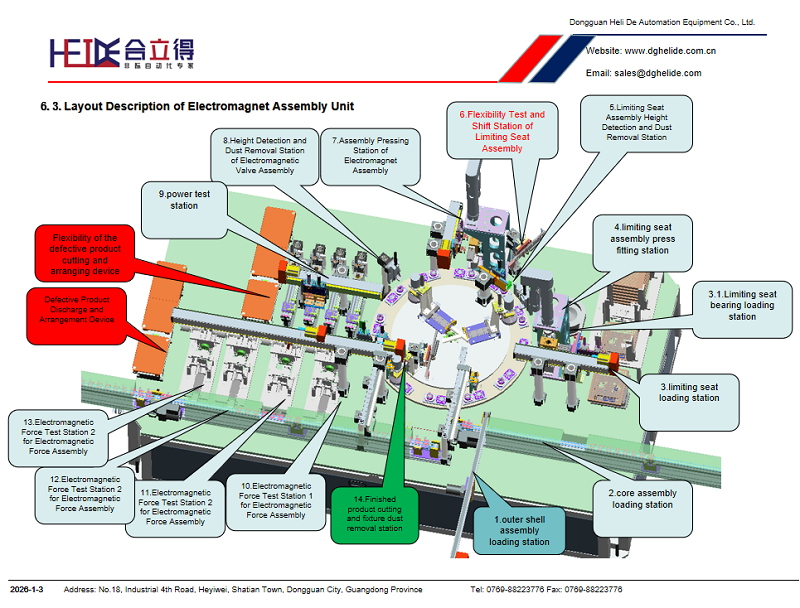
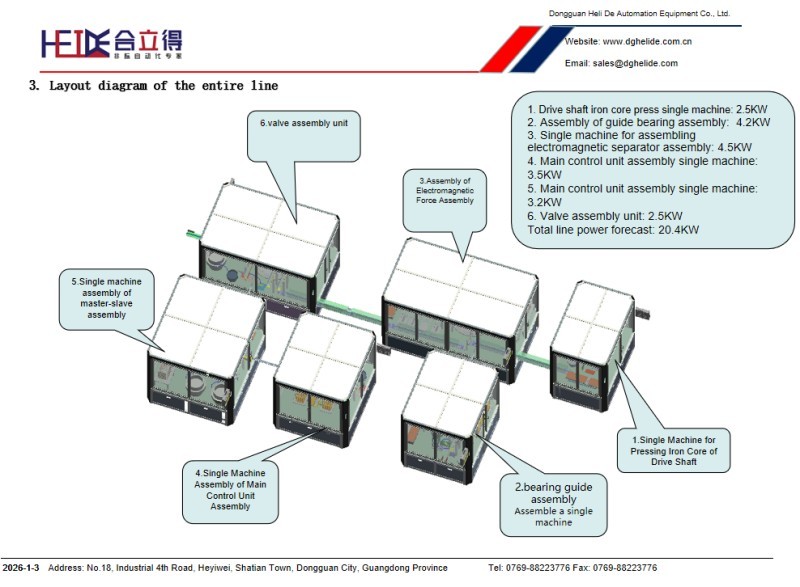
Due to the versatility of non-standard automation equipment, its applications are also extensive. The main industries where it is applied are:
1. Production, manufacturing, and installation of automotive parts in the automotive manufacturing industry;
2. Production, conveying, and packaging in the food industry;
3. Product conveyance in electronic and electrical production lines;
4. It is also widely applied in warehousing facilities in the logistics industry;
5. Applications in the processing and manufacturing assembly industry.
Non-standard automation equipment generally follows the following maintenance standards:
1. According to the equipment instructions, formulate reasonable maintenance quotas and improve the level of maintenance technology;
2. Check whether the receiving wires of temperature sensors, pressure transmitters, and electric control valves are loose or loose;
3. Check whether the temperature sensor is affected by moisture or water ingress;
4. Check and calibrate the electromagnetic flowmeter.
In summary, non-standard automation equipment is characterized by uniqueness, specificity, and universality, and its manufacturing requirements are stricter than those for standard equipment.
