
Non-standard automation equipment leads the trend
Automation equipment is highly favored, and the development of industry has significantly increased the demand for workers across various sectors. In the production sector, labor-intensive enterprises face significant wage expenses, and these costs are rapidly rising. Under the premise of ensuring product quality, the only viable path to producing cheaper products is to reduce production costs and enhance production efficiency. However, the speed of manual operations is limited, and workers' wages, determined by labor laws, only increase and never decrease. These wages must be paid on time every month, and the cost increases with the extension of workers' years of service. The emergence of automatic assembly machines has relieved enterprises of their concerns regarding labor issues. While we all know that the research and development costs of standard automation equipment are low, enterprises produce diverse products, necessitating research and development tailored to specific product requirements. There are many unpredictable factors involved. Consequently, an increasing number of enterprises are beginning to focus on the field of industrial automation, bringing development opportunities to this industry.
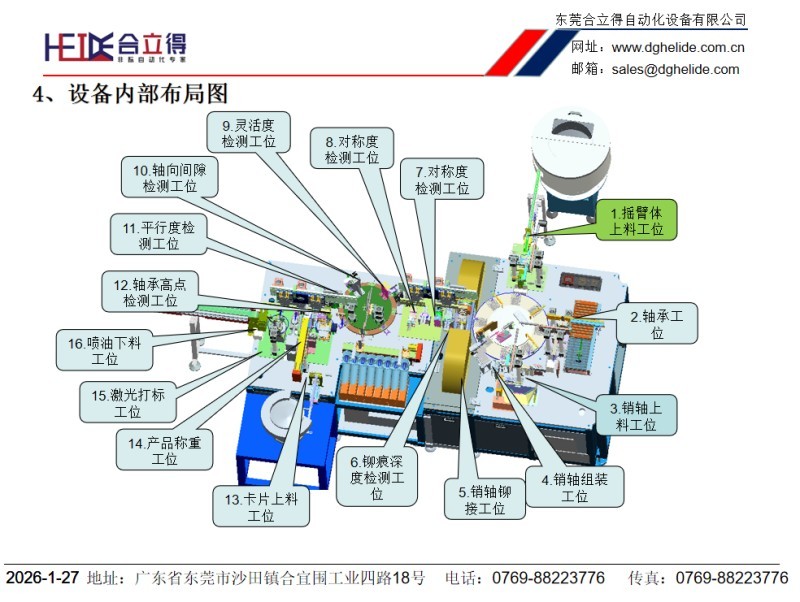
Non-standard automation equipment also falls within the automation field, but unlike standard equipment, its production is not as straightforward. Non-standard automation equipment is a type of customized, non-standard automation machinery designed according to the specific needs of enterprise users. It is tailored to meet the process requirements of individual companies, offering convenient and flexible operation. Its functions can be customized according to user requirements, with ample room for modification. It is commonly used in industries such as manufacturing, electronics, healthcare, sanitation, and aerospace. In recent years, as market demand has continued to expand, an increasing number of companies have begun to engage in this industry.
However, despite the evident trend in the non-standard automation equipment industry as a whole, indicating a vast market space for non-standard automation equipment, and even the potential for certain traditional industries to become the most promising market, the current situation in China is that there are a large number of non-standard automation equipment enterprises with relatively small scales, backward technology, and homogenized competition. These shortcomings mean that only by balancing and addressing the three major challenges of capital, talent, and market can these enterprises survive. Calm down, practice hard, always adhere to the business principle of credibility, serve every customer well, and provide customers with an integrated solution from planning, processing, assembly to debugging is the most reliable way to survive.
