
Why does the cost recovery period for non-standard automation equipment take so long
Non-standard automation equipment can fulfill special requirements according to actual production needs, and the proportion of such equipment in many enterprises' production processes is on the rise. However, non-standard automation equipment falls into the category of industries that require large investments with slow returns, and the cost recovery process is lengthy. So why does the cost recovery cycle for non-standard automation equipment take so long? Let's explore this further.
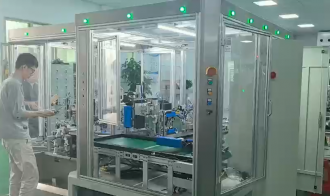
1. A relatively high level of technology is required. Designing machines for some products is quite challenging, and a certain degree of technical expertise is necessary. Additionally, certain materials have specific requirements. However, if parts of the equipment need to be modified, the materials used will also change accordingly, which increases production costs.
2. The investment cost of automated non-standard equipment is relatively high. This includes human resources, time investment, as well as other expenses such as material costs, manufacturing and research costs, and so on.
3. The stability of the equipment must be tested through practical application. A complete device, from its research and development, manufacturing, to final assembly, will inevitably encounter many difficulties. Only after practical application can we ensure that the equipment can operate stably and reliably.
The above is an analysis of why the cost recovery period for non-standard automation equipment is long, introduced by Dongguan Helide Automation Equipment Co., Ltd. We hope it can provide reference for everyone. Although the cost recovery of non-standard automation equipment is slow, adopting non-standard automation is a long-term investment for enterprises, a future trend, and in line with the trend. Just like when the electric motor was first invented, most enterprises were reluctant to use it due to high costs, believing that steam engines were sufficient. However, when the trend came, most enterprises were already too late to catch up.
