
What should be considered when designing non-standard automation equipment
(1) The production of non-standard equipment is carried out in small batches on a single-piece basis, which requires relevant design personnel to possess certain experience and skills. In terms of design, non-standard equipment primarily adopts the Chinese standard system for non-standard equipment and follows the principle that "the primary membrane stress or maximum direct stress shall not exceed the allowable stress". When considering the safety factor, the design of non-standard equipment mainly takes into account factors such as stress concentration and its type, the complexity of stress evaluation methods, material heterogeneity, geometric factors, and defects present in welded joints.
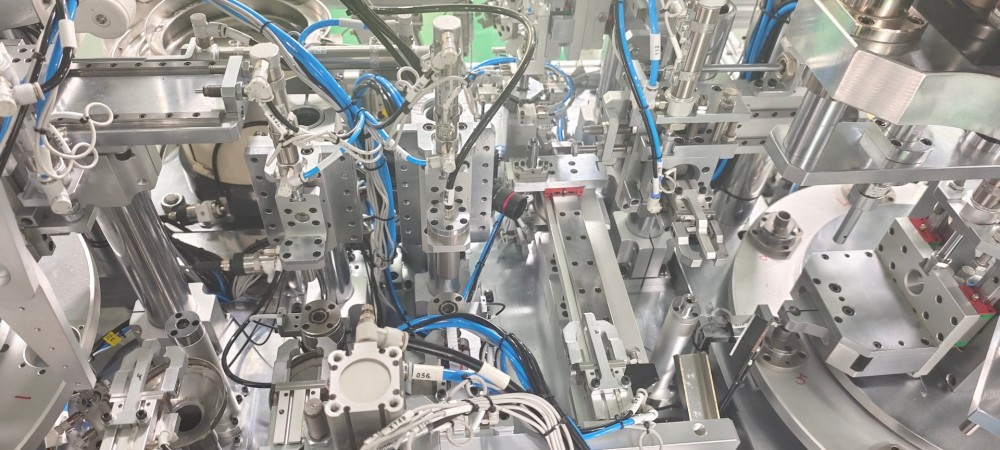
(2) In the design of non-standard equipment, firstly, when selecting standard components, finished products should be used as much as possible, in order to effectively reduce the cost of non-standard products in terms of raw material consumption, management expenses, and yield rate. Secondly, the design of non-standard equipment should also carefully study the technical solutions of the equipment on the basis of meeting the process design conditions, and determine advanced, reasonable, and stable non-standard equipment.
(3) When designing non-standard equipment, in addition to considering whether the design meets customer and production requirements, it is also necessary to consider whether the structure of the non-standard equipment is reasonable, safe, stable, easy to process, manufacture, install, and maintain. To this end, designers must strictly adhere to relevant standards and specifications, fully understand the process requirements, physical parameters, and functions of non-standard equipment, and conduct multiple scheme comparisons to determine the final plan.
(4) Achieving standardization in design work is the institutional prerequisite for facilitating its smooth progress and facilitating the introduction and absorption of advanced foreign technologies. The quality of design work directly impacts the level and quality of non-standard equipment. Standardized design work requires the development of strict design procedures, which systematically involve the demonstration of technical solutions, the design of construction drawings, and the review of process performance and standardization levels. In terms of the standardization of drawings and design documents, it is necessary to verify their compliance with relevant national regulations. Careful scrutiny and strict adherence to relevant standards and specifications for design work are required in terms of nouns, terminology, symbols, formats, names, codes, and other aspects.
