
What are the main reference standards for the production of non-standard automation equipment
1. In the requirements for non-standard automation equipment, attention to cultural and personal taste needs to be well integrated into industrial design. In the current development of non-standard automation, various standards exist. It is rare to integrate various cultural connotations from the very beginning of design and use them as design concepts.
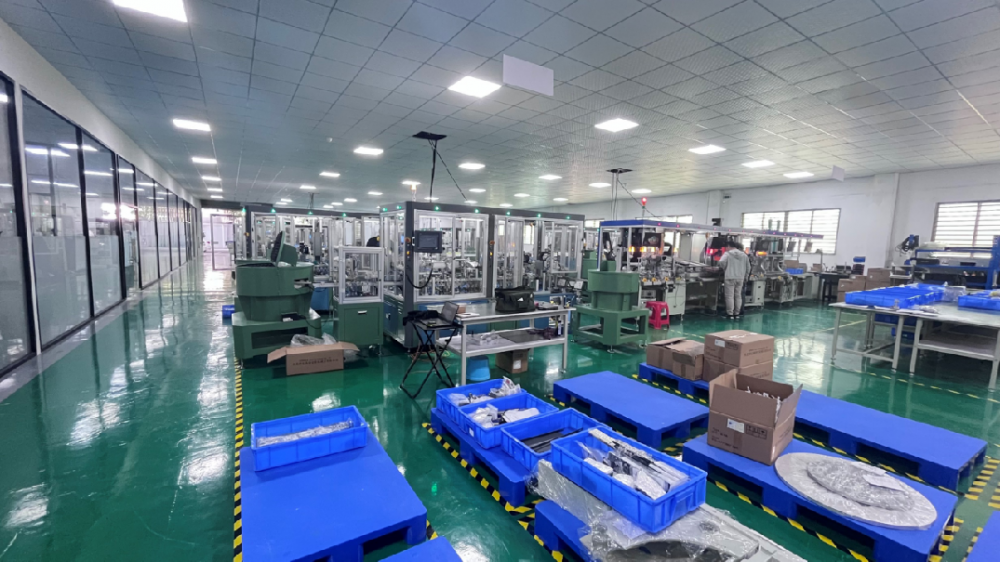
2. The design of non-standard automation equipment still places greater emphasis on standardization. It is produced in strict accordance with national standards during production.
3. Non-standard automation equipment places greater emphasis on modularization: this allows each user to customize products according to their specific needs. Non-standard automation equipment fully demonstrates its superiority in this regard, as there is only one module, which enables better performance of this module.
4. In the requirements for non-standard automation equipment, with a focus on customer experience and product humanization, developers will take into account the application scenarios of the product, customer needs, and usage habits as the starting point to conduct in-depth research on the current market of non-standard equipment. They will also incorporate feedback from customers in the user units to develop a new design for the functional aspects of non-standard automation equipment, thereby effectively meeting the needs of the industry.
5. The characteristic is simplicity. Non-standard automation equipment places greater emphasis on concise design. It does not require the use of very complex equipment, and its functions are customizable, making it a relatively simple device.
6. The adoption of the latest 3D design software has diversified our products. Each part of the product can be a separate program set, which reduces the ownership issues of components in non-standard automation equipment.
7. In the requirements for non-standard automation equipment, attention should also be paid to environmental protection, energy conservation, and safety factors. Responsible manufacturers or enterprises are very practical and take environmental protection as the main foundation. However, whether the working hours are certified by the environmental system and occupational health and safety system, whether the equipment has gradually adopted environmentally friendly electroplating processes, and whether the use of cyanide is reduced, and the adoption of 3+ chromium electroplating, these requirements should all be essential for a responsible company.
