
Explanation of the term "non-standard automation equipment"
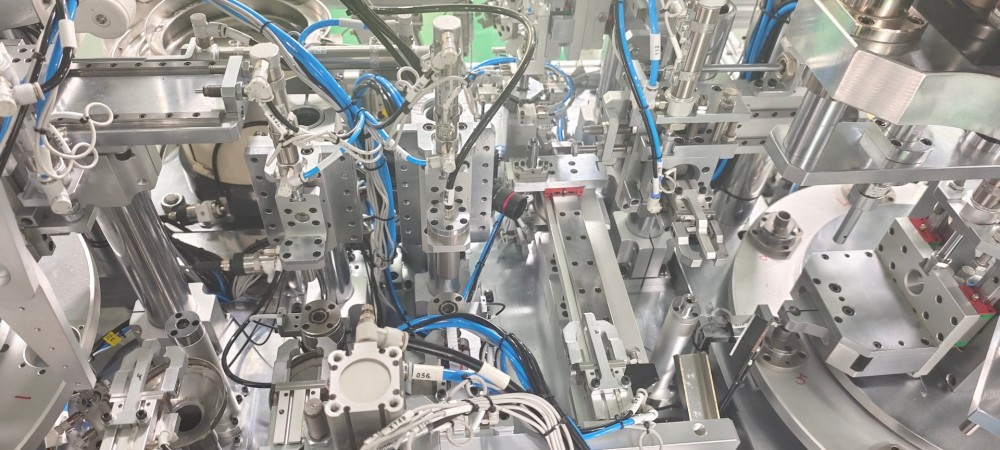
The definition of non-standard automation equipment refers to customized, unique, and non-market-circulating automation system integration equipment. It is assembled from unit equipment manufactured according to unified industry standards and specifications issued by the state, and is developed, designed, and manufactured based on the specific needs of customers. Different types of customers have different process requirements.
Current status of non-standard automation industry
With the continuous increase in labor costs, more and more enterprises are paying attention to the field of factory automation, which also brings development opportunities to this industry. At the same time, how to improve service levels has become a pressing issue for the non-standard automation machinery industry. Currently, there are a large number of non-standard automation machinery enterprises in China, but they are generally small in scale, with common characteristics such as outdated technology and homogenized competition. How to participate in the competition in this industry has become a challenge.
Generally speaking, most small and medium-sized non-standard automation machinery enterprises currently face three major challenges: capital, talent, and market. Only by balancing these three aspects can they survive and have the opportunity to face potential market opportunities. Therefore, they must calm down, practice hard, and always adhere to the principle of credibility in serving every customer. We provide customers with an integrated solution from planning, processing, assembly to debugging. From product conception → planning → modeling → drawing → processing → assembly → debugging, we provide customers with a complete set of solutions.
Non-standard automation market environment
With the development of industry, the demand for workers in various sectors has seen a significant increase. In the production sector, the wages of workers in labor-intensive enterprises constitute a large expenditure, and the cost is rapidly rising. Under the premise of ensuring product quality, the only viable path to produce cheaper products is to reduce production costs and improve production efficiency. The speed of manual operation is limited, and regardless of the workstation or product type, the possibility of relying on machines for operation cannot be ruled out. However, workers' wages only rise and never fall (as determined by labor laws), and they must be paid on time every month. This expense increases with the extension of workers' working years.
